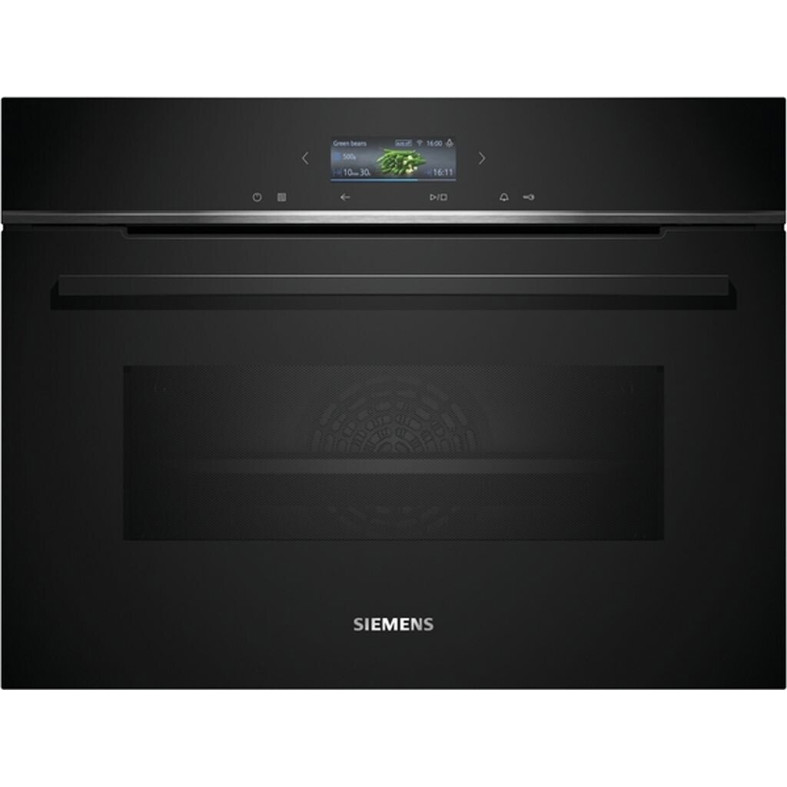
5 Pyrolysis Oven Comparison Projects For Every Budget
Pyrolysis Oven Comparison: A Comprehensive Guide
Recently, pyrolysis ovens have gathered considerable attention in the fields of materials processing, waste management, and energy healing. These specialized ovens transform natural materials into useful byproducts through thermal decay in the lack of oxygen. As industries and people significantly try to find sustainable solutions to garbage disposal and material healing, comprehending the range of pyrolysis ovens readily available on the market becomes vital. In this post, we will look into the contrasts between various types of pyrolysis ovens and their particular functions, applications, and disadvantages.
What is Pyrolysis?
Before diving into the comparison, let's first comprehend pyrolysis. Pyrolysis is a thermal decomposition procedure that happens at elevated temperatures, normally in between 300 ° C to 800 ° C, in an oxygen-free environment. The outcome is the breakdown of products into three main items:
- Solid Residue: Often called char, it can be more processed or utilized as fuel or soil change.
- Liquid Products: Also known as bio-oil, these are complicated mixes that can be fine-tuned into important chemicals or used as a fuel.
- Gaseous Components: These include flammable gases that can be gathered and utilized as an energy source.
Kinds Of Pyrolysis Ovens
The marketplace offers a range of pyrolysis ovens; the most common types include:
- Batch Pyrolysis Ovens
- Continuous Pyrolysis Ovens
- Vacuum Pyrolysis Ovens
- Microwave-Assisted Pyrolysis Ovens
Comparison Table
Feature/Type
Batch Pyrolysis
Constant Pyrolysis
Vacuum Pyrolysis
Microwave-Assisted Pyrolysis
Operation Mode
Batch processing
Continuous processing
Batch processing
Batch processing
Input Material
Variable
Consistent flow
Variable
Variable
Temperature Range
300 ° C
- 800 ° C 300 ° C
- 800 ° C
300 ° C-800 ° C 300 ° C-600 ° C Item Quality High
Moderate to High
High
High
Production Rate
Low
High
Low
Low
Initial Investment
Lower
Greater
Moderate
Moderate
Functional Flexibility
High
Low
Moderate
Moderate
Footprint
Smaller sized
Larger
Smaller sized
Smaller
In-depth Analysis of Pyrolysis Ovens
1. Batch Pyrolysis
Batch pyrolysis ovens are developed for processing products in discrete loads. They are ideal for small-scale operations or pilot tasks and frequently function:
- Operative Flexibility: Batches can be tailored to different products.
- Lower Capital Investment: Initial costs are more workable for small companies or start-ups.
- Quality assurance: High-quality output due to controlled conditions for each batch.
Nevertheless, they might fall brief in terms of production capacity and performance.
2. Continuous Pyrolysis
Constant pyrolysis ovens operate by feeding the raw product regularly, permitting more significant output and performance:
- Higher Throughput: Suitability for large-scale companies that need consistent processing.
- Cost-Effectiveness: Although initial costs are higher, the effectiveness can lead to lower operating costs in the long run.
One disadvantage is that the input product should often be uniform in size and type to guarantee consistent processing.
3. Vacuum Pyrolysis
Vacuum pyrolysis involves the removal of air during the pyrolysis procedure, successfully enhancing the quality of the output and increasing the yield of important byproducts:
- Higher Quality Products: Reduces the chance of undesirable reactions and boosts gas and oil yield.
- Smaller Sized Equipment Footprint: More effective use of area.
Alternatively, it tends to be more expensive and requires careful style to preserve vacuum conditions.
4. Microwave-Assisted Pyrolysis
This ingenious approach makes use of microwave energy to heat materials more evenly and effectively:
- Diverse Feedstock: Can process a variety of products, consisting of damp biomass.
- Faster Pyrolysis: Typically leads to much shorter processing times due to fast heating.
On the other hand, it is still reasonably brand-new on the marketplace, indicating restricted proven durability or reliability.
Secret Considerations When Choosing a Pyrolysis Oven
- Scale of Operation: Choose in between batch or continuous depending on whether you're small or large-scale.
- Feedstock Variety: Assess whether you'll be processing uniform products or varied feedstocks.
- Production Goals: Understand your production targets to figure out the essential oven type.
- Capital and Operational Costs: Balance preliminary financial investments with possible long-lasting operational costs.
- Product Quality Requirements: Consider how crucial the quality of the output is for your desired application.
Frequently Asked Questions
1. What is the typical expense of a pyrolysis oven?
The cost can range substantially based on the type and scale of the oven. Backofen Selbstreinigend Preis may start around ₤ 30,000, while continuous systems might exceed ₤ 300,000.
2. How long does the pyrolysis process take?
Batch processes might take several hours, while constant systems can operate 24/7 at differing rates depending upon input product.
3. What kinds of products can be processed in a pyrolysis oven?
Typical products include natural waste, plastics, rubber, and biomass. Nevertheless, the specific oven might have limitations.
4. What are the ecological benefits of pyrolysis?
Pyrolysis reduces garbage dump waste, creates energy and valuable items from waste, and can lower greenhouse gas emissions through cautious management.
5. Can you recycle the gas produced by pyrolysis?
Absolutely! The gases produced during pyrolysis can be converted into fuel or energy, allowing a closed-loop system.
Picking the best pyrolysis oven involves understanding the nuances of your particular application, budget plan, and environmental effect goals. While batch systems represent versatility and lower expenses, constant systems offer performance for bigger operations. On the other hand, vacuum and microwave-assisted pyrolysis methods offer ingenious options but at varying costs and intricacies.
By carefully weighing these considerations and speaking with the detailed comparisons supplied, companies and people can make educated choices that line up with their sustainable goals.